
The Em Dash, a guest post by Rachel Harris

Rachel Harris is studying English and Shakespeare Studies at Southern Oregon University. She proofreads all her text messages and inserts the correct dash even when the person she’s texting won’t  care. 

The Em Dash: A Survey

Despite its proliferation in modern texts, the em dash is not present in the majority of early writing curricula. It is one of the most versatile punctuation marks in the English language, with many different functions and the ability to act as an alternative to a number of other marks, but, though most can likely recognize it on sight, few English readers would be able to identify it by name. Its absence in education is likely due, in part, to its rocky past, as well as to the unflattering whims of public opinion, which now seem to be shifting. As the em dash returns to favor, it is worth exploring the history and merits of this valuable punctuation mark.

The Chicago Manual of Style describes the em dash as “the most commonly used and most versatile of the dashes” (333). It is most often used to “set off an amplifying or explanatory element,” and, in this way, can take the place of a comma, a semicolon, a colon, a pair of commas, or a pair of parentheses (333–334). Though the em dash can be mechanically interchangeable with these other marks, it carries a different tone. For example, it tends to be read as less formal, particularly compared to the colon and semicolon (Norris 145–146); when it comes to paired punctuation used to set off an interruption, em dashes emphasize the contained information, while parentheses deemphasize it, and commas, read as neutral, do not act on it at all (Einsohn 89). Because the em dash is effective in so many contexts, it is prone to overuse; it should be employed carefully and sparingly. Einsohn states that, especially when taking the place of a semicolon in joining independent clauses, it “is best reserved for special effects” such as “prepar[ing] readers for a punchline or a U-turn” (81).

The em dash has other purposes, as well, including some that only it can fulfill. It is commonly used to indicate an interruption or other sudden break, particularly in dialogue; in this role, it can be placed at either the end or the beginning of a thought, to indicate that the thought is being either cut off or picked up partway through (Norris 135). It is used to lend a sort of breathless urgency to writing (136) and to represent stream-of-consciousness thinking (Truss 158); it is effective in setting certain tones, and has, thus, been a popular punctuation choice for poets, including Emily Dickinson (Norris 137–138). In playwriting, the em dash is also employed to “secure suspense” and emphasize a word or phrase at the end of a sentence (Smiley and Bert 206–207). More technical uses include the replacement of bullet points in lists and the replacement of quotation marks in dialogue, particularly dialogue translated from a language that prefers guillemets over quotation marks (The Chicago 335).

In order to fully understand the em dash, one must first understand the em. The Chicago Manual of Style defines the em as a “unit of type measurement equal to the point size of the type in question” (895), meaning that, in a twelve-point font, the em—and, therefore, the em dash—will be twelve points wide. It is largely accepted that the em is so titled because it is the width of a capital letter M (“Glossary of Typographic”); while this may have been true at one time, it is not reliably true now, as the M in most modern typefaces is narrower than the em. In fact, the length of the em cannot be measured by any text seen in print or on screen: It is the height of the type, which comprises the character and a small space used as a buffer between lines of text—the leading. In the days of metal type, each piece of type would include a narrow piece of lead at the bottom of the letter or mark; the height—and, therefore, the em—includes this leading and the negative space created by it (Phinney).

The etymology of the em dash, though not relevant to its proper usage, is interesting. It is named for the em, of course, because it is the length of one em; the word dash, though, is more intriguing: Dashes, as a group, were likely given this title because of the action used to create them. “Dash” comes from the Middle English verb dasshen—to knock, to hurl, to break (Truss 159)—and means “to strike violently”; dashes were used in handwritten text even before the age of metal type, and were produced with a sharp dash of a pen on paper. Though usage of the dashes as punctuation marks has evolved over time, this definition has been in evidence since the middle of the sixteenth century (Houston 150).

Variations on the em dash exist in certain contexts. In the past, the em dash was often paired with other punctuation marks, forming such creations as the comma-dash or “commash”; though these “dashtards” were, at one time, employed by writers as venerated as Shakespeare, they have been considered nonstandard for over half a century (151–153). In British writing, the em dash is itself nonstandard; in its place, a spaced en dash is used (145). There are also 2-em and 3-em dashes, which have their own purposes and are, respectively, two and three ems long. The 2-em dash is used to omit words or parts of words, such as names or expletives, or to represent missing or illegible information in quoted text (The Chicago 335–336). It was regularly employed to censor names of politicians in mid–eighteenth century England, in order to circumvent a ban on parliamentary reporting (Houston 158–160), but has since fallen out of style; at that time, it was also so commonly used to censor expletives that the word “dash” itself became a mild epithet (158). The 3-em dash, meanwhile, is used in scholarly bibliographies, to indicate that the author or editor of an entry is the same as that of the previous entry (The Chicago 336).

Since the days of metal type, the em dash has had a rocky history. Though it was common enough during and prior to that era, it saw a decline when Christopher Latham Sholes patented the first typewriter in the 1860s. Due to spatial limitations and the lack of a shift mechanism, Sholes’s QWERTY keyboard had to prioritize certain characters over others; there was only room for one dash, and Sholes chose a version of the hyphen (Houston 160–161). The hyphen, then, had to act for all dashes—it entirely took the place of the en dash, and in order to create the em dash, typists would have to type two hyphens in a row. Modern word processors now have helpful shortcuts for typing the em dash, and will even autocorrect a double hyphen into an em dash, but the remnants of this reliance on hyphens can be seen in comic books, where it is still lettering practice to use the double hyphen instead of the em dash (Klein).

The em dash has also experienced shifts in attitude; as with all aspects of the English language, it has both its proponents and its detractors, but there have been clear trends in its popularity. Its informality and versatility were, at one time, viewed as drawbacks; as Norris explains, “[t]he sheer range of its use suggests that it’s a lazy, all-purpose substitute for more disciplined forms of punctuation” (136). Truss similarly describes how it was “seen as the enemy of grammar” because it is so prevalent in email and texting communication, which are often characterized by “overtly disorganized thought” (157). Norris also notes that women often use em dashes (136), which is, in itself, an explanation for the contempt it has faced, since things used and enjoyed by women tend to be derided in modern society.

The em dash is, however, seeing a return to popularity, and an increase in respect. As Gopen describes, beginning in the 1960s—when using the em dash would have gotten him “sent straightaway to the headmaster’s office to be reprimanded for [his] act of moral turpitude”—first fiction writers, and then journalists, began employing the em dash (13). As the em dash became useful to writers, it “slowly assumed a rightful place in writing,” and eventually even grammar books began to accept it (13). It is no longer disparaged—except, perhaps, by the stuffiest of grammar snobs—and this is a victory for writers, as it presents them with “better ways to send interpretive signals to their readers” (13), as has been demonstrated by the earlier comparison of different tones expressed by various punctuation marks.

The em dash is, once again, a staple of English punctuation. It is found in many genres of modern writing, and whole sections of grammar and editing texts are devoted to it. It is a valuable mark to study: Its wide variety of uses and ability to shape a text’s tone endow it with great potential when used effectively, and an exploration of its fascinating history provides insight into a range of topics, including typographic origins and political censorship. Like other punctuation marks, the em dash has endured the changeability of popular opinion, but it is currently on the rise, and perhaps, someday, this wonderfully versatile character will be considered acceptable and useful enough to be taught in middle and high school English classes.

Works Cited

The Chicago Manual of Style. 16th ed., Chicago, U of Chicago P, 2010.

Einsohn, Amy. The Copyeditor’s Handbook: A Guide for Book Publishing and Corporate Communications. 3rd ed., Berkeley, U of California P, 2011.

“Glossary of Typographic Terms.” Adobe, www.adobe.com/products/type/adobe-type-references-tips/glossary.html. Accessed 5 June 2020.

Gopen, George D. “A Once Rogue Punctuation Mark Gains Respectability: What You Can Now Accomplish with an Em Dash.” Litigation; Chicago, vol. 46, no. 1, Fall 2019, pp. 13–14.

Houston, Keith. Shady Characters: The Secret Life of Punctuation, Symbols, & Other Typographical Marks. New York, W.W. Norton & Company, 2013.

Klein, Todd. “Punctuating Comics: Dots and Dashes.” Todd’s Blog, 23 Sept. 2008, kleinletters.com/Blog/punctuating-comics-dots-and-dashes/. Accessed 5 June 2020.

Norris, Mary. Between You & Me: Confessions of a Comma Queen. New York, W.W. Norton & Company, 2015.

Phinney, Thomas. “Point Size and the Em Square: Not What People Think.” Phinney on Fonts, 18 Mar. 2011, www.thomasphinney.com/2011/03/point-size/. Accessed 5 June 2020.

Smiley, Sam, and Norman A. Bert. Playwriting: The Structure of Action. Rev. and expanded ed., New Haven, Yale UP, 2005.

Truss, Lynne. Eats, Shoots & Leaves: The Zero Tolerance Approach to Punctuation. New York, Gotham Books, 2004.
Posted in Ideas and Opinions | Comments Off on The Em Dash, a guest post by Rachel Harris

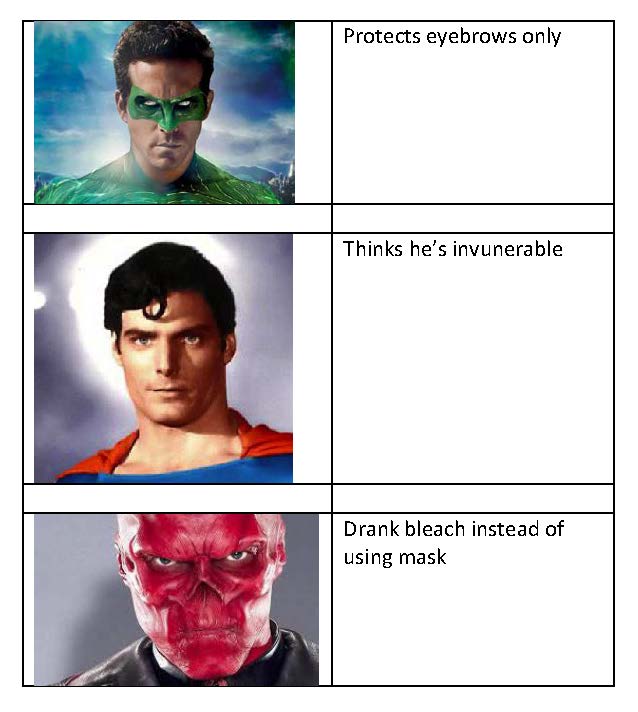
Who’s got the best COVID Mask?

Posted in Ideas and Opinions | Comments Off on Who’s got the best COVID Mask?

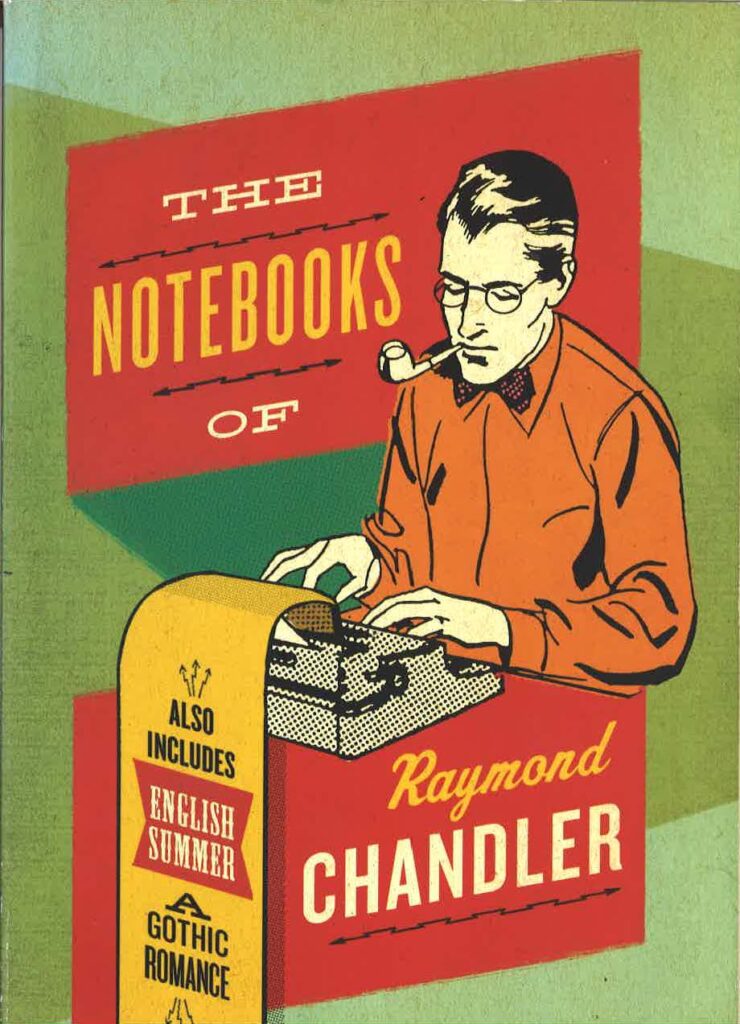
From the Notebooks of Raymond Chandler

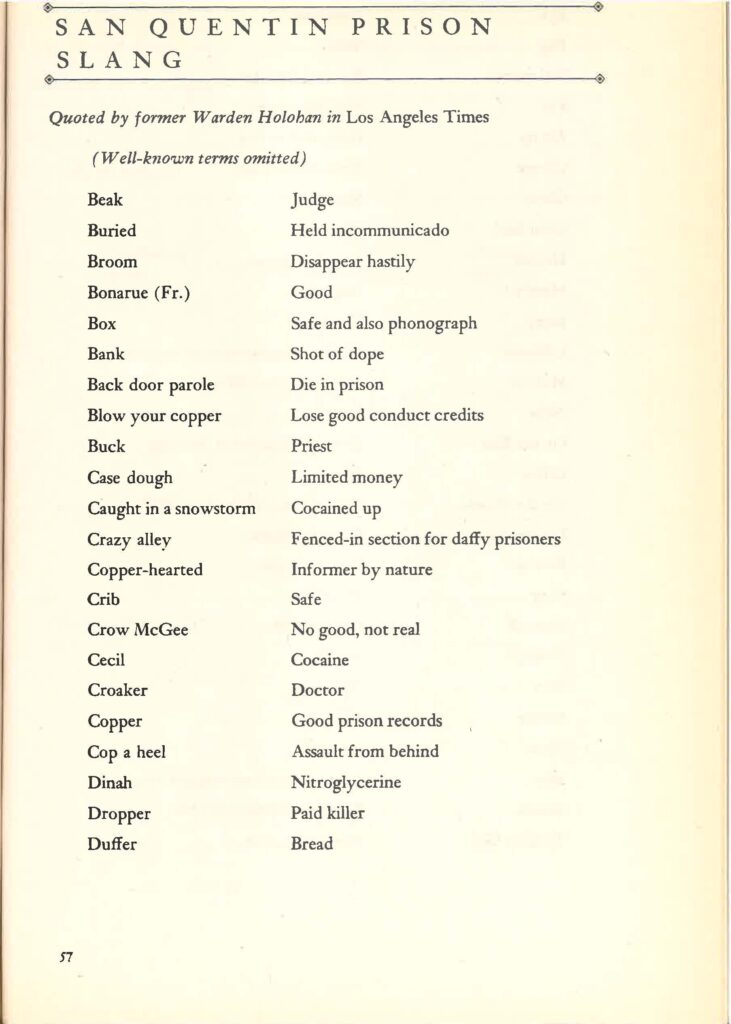
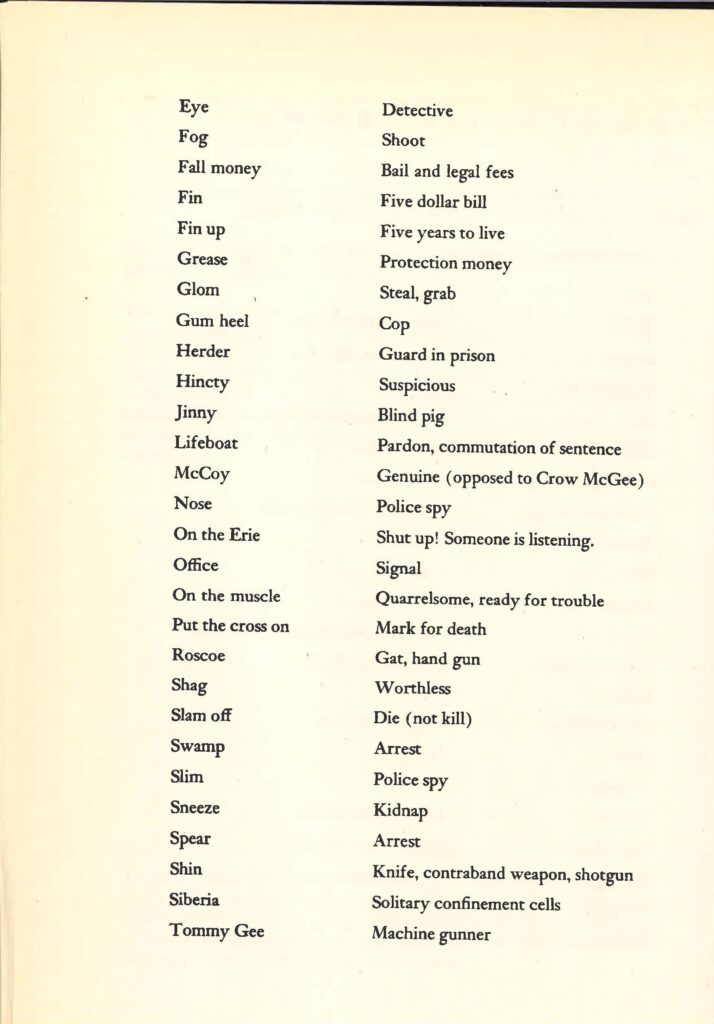
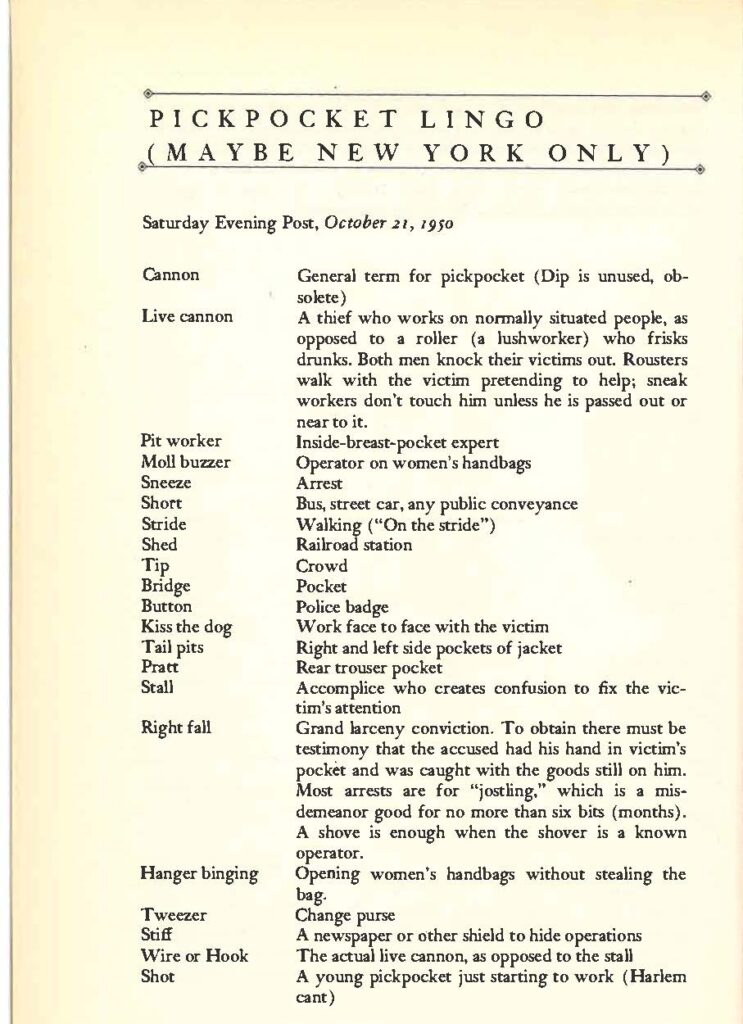
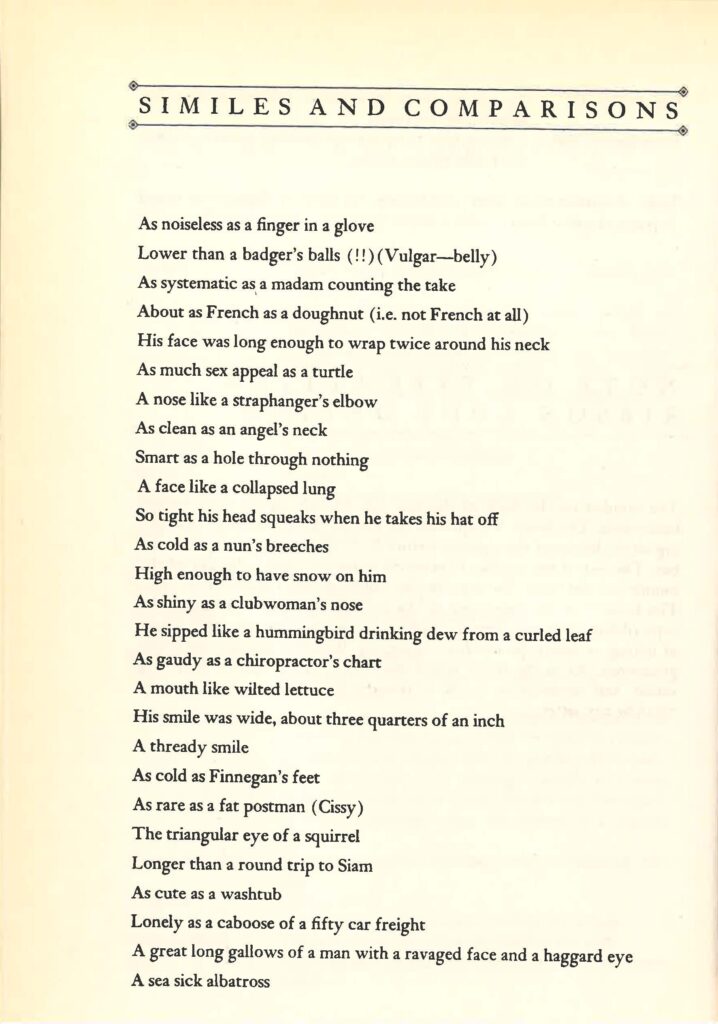
Drawn from journals kept through his career, The Notebooks of Raymond Chandler contains some of Chandler’s descriptions and ideas that would later appear in his classics novels. Included are observations on slang and more. Enjoy.

Posted in Ideas and Opinions | Comments Off on From the Notebooks of Raymond Chandler

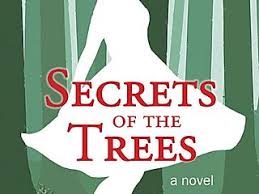
An Interview with Alissa Lukara, author of Secrets of the Trees

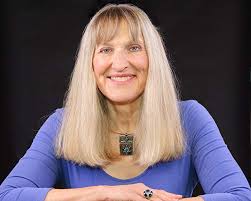
Alissa Lukara

Alissa Lukara is the author of the novel Secrets of the Trees, set in Latvia.  Her memoir, Riding Grace: A Triumph of the Soul (Silver Light Publications), was called by the Midwest Book Review “a transcendental story about the immeasurable powers of redemption and compassion.”

Alissa Lukara has been a professional writer and writing coach for more than thirty years and founded Transformational Writers. She teaches workshops and speaks on writing as a transformational journey. She is also co-author of NightDancin’ (Ballantine Books).

She grew up near Cleveland, Ohio, and has lived in Denver, San Francisco, Los Angeles and New York City.  She now makes her home in Ashland.

Ed Battistella: Your book Secrets of the Trees struck me as an engaging hero’s quest combined with recent history. How did the book come about?

Alissa Lukara: After completing a memoir, I knew I wanted next to write a novel. One day I was hiking in Lithia Park when a young boy ran up to me, asked me if my name was Nikkie and if I was lost in the woods. Nikkie had carved her name into a tree, he said, and he was looking for her with his father and sister. They had made a game of it, the boy’s father explained. I went along with the fantasy and that encounter sparked the idea for the novel with a main character named Nikkie, who had been lost in a forest as a child once and now had also lost her way in her life. The first scenes I wrote were set in a forest in Oregon.

But a year into the writing of the book, scenes set in Latvia emerged. As long as I had written, I had known I would one day write a novel that included Latvia’s recent history and my own family’s history. Their life in Latvia, their uprooting during WWII and their own hero’s quest to escape the Soviet takeover had shaped my life and perspectives on the world growing up. It was then I knew Secrets of the Trees would be that book about Latvia. And while the novel is set in 2003, my family’s life and quest were fictionalized as part of the backstory.

EB: Tell us about the protagonist Nikkie, who is a dancer with visions. How did you conceive of her?

AL: The day after my encounter with the boy in the park, I did a free write asking Nikkie to tell me about herself and a spontaneous piece emerged about her that started with her whirling and dancing. It ended up with her pretending to be lost in the forest with her brother.

Then when I was a couple years into writing the novel, her visions in Latvia started to appear in scenes of the book. At that moment, I knew the main action of this novel about Nikkie’s hero’s quest would take place in Latvia and include pieces of my family’s history. I made her ancestry Latvian, like mine. I knew her transformational journey to re-inspire herself as a dancer and solve the mystery of her vision would now also involve an exploration of her Latvian roots and a deepening of her recognition of the divine in all creation, most notably nature and trees, a concept central to Latvian spirituality, and to the Latvian goddesses Māra and Laima, who guide her.

EB: And Nikkie has a twin, Tom. Why a twin?

AL: After the boy asked me if I was Nikkie, I continued my hikes in the same park to think about the novel. I carried a notebook and pen to jot down ideas. Several days in a row, I saw twins of various ages. It happened so often, I commented to a friend that there must be a twin convention in town. Then, I realized that Nikkie had a brother who was a fraternal twin.

Some years into the writing, I also discovered that twins had run in my maternal family. One great grandmother had been a fraternal twin whose brother drowned when he was a teenager. She had also given birth to fraternal twins, who had died as toddlers from a flu.

EB: What is your connection to Latvia, Latvians spirituality, and Latvian history?

AL: I am a first generation American with several generations of Latvian ancestry. My parents and grandparents and other members of my maternal family escaped Latvia in 1944 during WWII when the Soviets took it over. They walked across Latvia, were refugees and lived in a Displaced Persons camp in Würzburg, Bavaria, Germany for five years before emigrating to the U.S. Some remaining family members were arrested and sent to Siberia, where most died. I still have relatives in Latvia who lived through the Soviet Occupation and remain there now that it is free. This family history has struck a deep chord throughout my life. Growing up, I was active in the Latvian culture and community in Cleveland, Ohio, learning to speak, read and write Latvian, speaking it at home, attending Latvian events and camps. Since the Soviet Union was trying to destroy the culture in Latvia itself, many Latvian parents, mine included, taught their children that it was up to the Latvian diaspora to carry forth the culture so it would not die. I participated in Latvian Song and Dance festivals in the U.S., Canada and Latvia, and as a young adult was part of the Latvian community in New York City. A few years ago, I became a dual citizen.

My mother was active in the Chicago Latvian community for decades, studied Latvian politics and arts, was part of a Latvian literary group, talked to me often – always in Latvian – about Latvian current events and culture. I was fortunate to travel to Latvia with her three times before she died last year and gain her insights there. Through her connections, I met not only my family there but her friends including many well-known Latvians in the arts and culture. In researching Secrets of the Trees, I realized that much of what was important to me in fact had its roots in my Latvian heritage: my love of the arts and nature, spirituality that sees the divine in nature, poetry, dance, music, a longing for freedom, my resilience.

EB: What should readers understand about Latvia?

AL: Latvia is a country most people know little about. Yet its culture is rich. It’s been said that every Latvian is a poet, and a Latvian without a song is a Latvian without a soul. I love that and can so relate.

Too often, our world seems to value only the accomplishments of the superpowers while ignoring or discounting what smaller countries have to teach us. The novel offers a look at what Latvians have to share globally through the filter of what has most touched me about it. They value and support the arts. For instance, they have managed to create and preserve their cultural identity and identification as a singing nation despite living through centuries of oppression and serfdom.

During Glasnost and Atmoda, Latvians’ conscious decision to stage a nonviolent Singing Revolution led to the dissolution of fifty years of Soviet Oppression. They continue to hold a Latvian song and dance festival every five years, as they have since 1873, that is on the UNESCO Masterpieces of the Oral and Intangible Heritage of Humanity list. It involves mass choir and dance events of forty thousand plus participants (fifteen thousand singers, fifteen thousand dancers) from a country with a population of two million. Numerous Latvian classical music and opera stars grace the top opera houses and symphony halls in the world and the country’s choirs repeatedly win gold medals in world competitions. Latvians, even those who live in the city, also maintain a deep soul connection to and respect for nature, the land and its forests.

EB: Can you tell our readers a bit more about the title—Secrets of the Trees?

AL: From the first pages I wrote, scenes were set in forests, and the trees became like characters themselves. And when the visions in Latvian forests appeared to Nikkie, their role stood out even more. The forests draw Nikkie, are central to solving the mystery behind the recurring visions, hence the title, which came to me spontaneously a few years ago.

Also interwoven in the novel and inspiring the title are the ways Latvia’s forests play a key role in its collective history and culture, in Latvian’s day to day lives and specifically in the lives of my novel’s characters. Forests still cover 42 percent of Latvia. Trees are key images in many of Latvia’s folk songs and folklore. Over the centuries that Latvia was oppressed by one nation after another, Latvians in peril escaped and hid in the country’s dense forests. During WWII, resistance fighters, known as the Forest Brothers, lived and operated out of the woods. But over the years Latvians have also gone to the forest to find solace. My grandmother, like many Latvians, learned to give her pain to the trees and ask them to heal her. When Latvians were not free to speak out in real life, they could speak out to the trees and rocks and plants of the woods. Several Latvian deities are associated with trees. There are even lists of sacred trees to visit in Latvia.

EB: What are you working on currently? Will there be a sequel?

AL: I’ve been getting the word out about Secrets of the Trees and taking a much-needed break. But I am planning to start a new writing project soon. I might write a screenplay of the novel. I have always envisioned it as a film and have had several other people tell me they see it that way as well. Also, the first draft of Secrets of the Trees included several chapters of Nikkie in Egypt that I cut out but am now considering turning into a sequel. At present, though, I’m being called simply to do some free writing to explore what wants to be expressed in what is a whole new chapter of my life. I am excited to see what comes from that.

EB: Thanks for talking with us.

AL: You’re welcome, Ed. I’m grateful for the opportunity.

Posted in Ideas and Opinions, Interviews | Comments Off on An Interview with Alissa Lukara, author of Secrets of the Trees